Introduction: Why Ventilation Training Matters
In today's health care landscape, making sure optimal client treatment is vital. One vital element of this care involves understanding and handling air flow. With advances in medical innovation and an increasing number of patients needing breathing support, the demand for proficient professionals around has actually surged. That's where thorough ventilation training courses enter play. This post explores the Top 5 Advantages of Register in a Comprehensive Ventilation Training Course, clarifying why such training is crucial for healthcare specialists, especially those involved in respiratory tract management and ventilation.
What is a Detailed Ventilation Training Course?
A comprehensive ventilation training program includes different facets of respiratory system care, focusing on both theoretical expertise and sensible abilities required for effective ventilatory management. These programs usually cover topics such as:
- Understanding ventilator settings Airway management techniques Tracheostomy care Patient analysis in breathing distress Hands-on experience with various kinds of ventilators
Participants generally include nurses, breathing therapists, and various other healthcare providers involved in important care settings.
Top 5 Benefits of Joining in a Comprehensive Ventilation Training Course
1. Boosted Knowledge and Skills
Understanding the Basics
One of the main advantages of enrolling in a detailed ventilation training program is getting foundational knowledge about air flow principles. For instance, participants obtain understandings into what ventilator support involves, just how ventilators work, and the various settings offered-- such as assist-control and stress support.
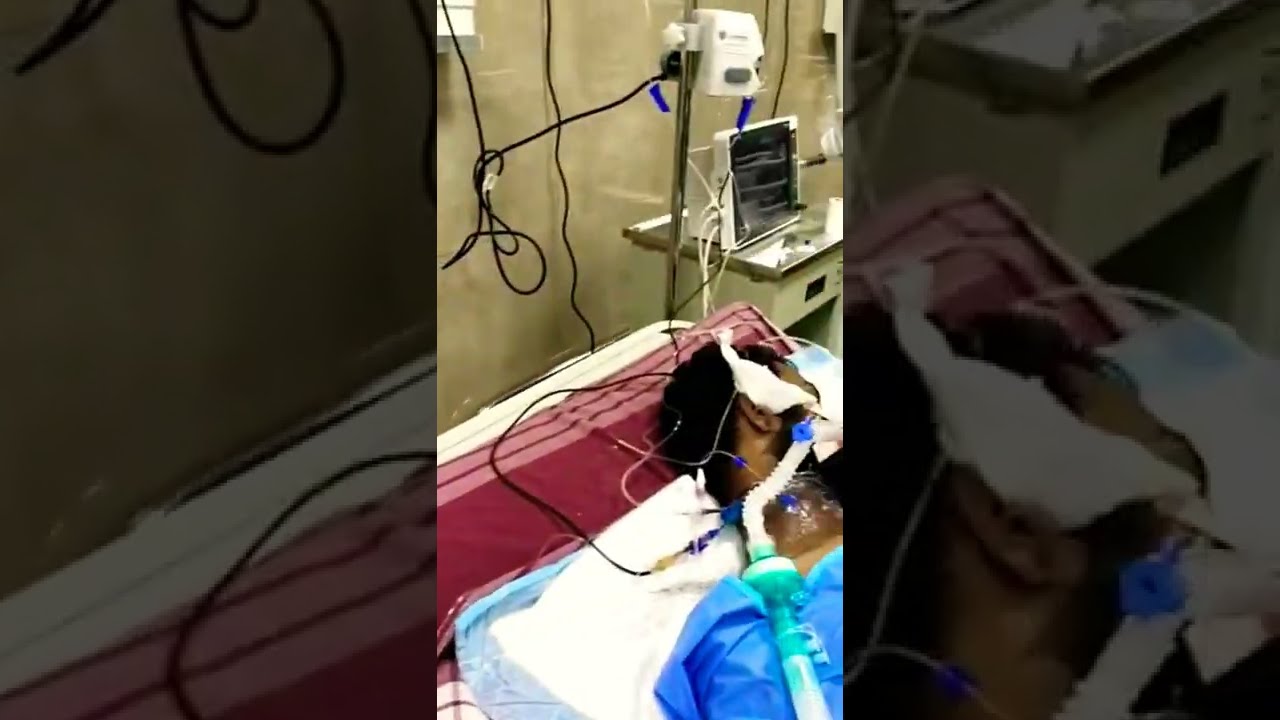
Practical Application
Theoretical understanding has to be coupled with hands-on experience to be really reliable. Courses commonly include simulations where students technique utilizing different sorts of ventilators on mannequins or even real individuals under supervision. This double method guarantees that participants not just understand concepts yet can apply them effectively.
2. Improved Patient Outcomes
Critical Treatment Competence
Professionals learnt ventilation are much better geared up to take care of complicated cases involving breathing failing. With ample abilities from a basic ventilator course or specialized ventilator training for nurses, they can make educated decisions relating to client treatment and adjust ventilator setups based upon individual needs.
Impact on Recuperation Rates
Research shows that proper airway monitoring and air flow strategies straight correlate with enhanced individual healing prices. By comprehending exactly how to optimize ventilatory assistance through efficient training, health care employees can contribute considerably to decreasing issues associated with mechanical ventilation.
3. Increased Occupation Opportunities
Professional Advancement
Healthcare specialists aiming to climb the job ladder will certainly discover that specialized training enhances their capability, making them more competitive prospects for advanced functions within critical care settings. Several employers prioritize candidates with formal training in areas like tracheostomy and ventilator training.
Broader Extent of Practice
Incorporating ventilation training into one's certifications enables experts to broaden their scope of technique substantially. For example, registered nurses who undertake detailed programs might be qualified to take on roles that include even more straight client interaction in high-acuity situations.
4. Networking Opportunities
Connecting with Peers
Enrolling in a comprehensive training course offers the possibility to get in touch with fellow health care professionals that share comparable interests in respiratory tract management and air flow practices. Building these specialist relationships can bring about joint chances or mentorships that enhance one's occupation trajectory.
Accessing Professional Insights
Courses are usually shown by market professionals who bring beneficial insights from their experiences working in crucial care setups. Individuals profit not simply from structured understanding however likewise from informal discussions that can light up real-world challenges dealt with by caregivers.
5. Remaining Updated with Best Practices
Continuing Education and learning Requirements
Many healthcare occupations call for continuing education and learning (CE) credit reports to maintain licensure or accreditation. A thorough ventilation training course satisfies these demands while giving current details on present best techniques relating to air passage administration and air flow techniques.
Adapting to New Technologies
ventilator training for nursesAs innovation evolves rapidly within the medical area, recurring education and learning comes to be critical for remaining pertinent. A well-rounded course includes details regarding the most recent developments in ventilatory innovations and methods-- guaranteeing that individuals stay at the leading edge of person treatment standards.
FAQs Concerning Ventilation Training Courses
1. What prerequisites are required for attending a thorough ventilation training course?
Most training courses require individuals to have standard understanding related to respiratory therapy or nursing basics; nevertheless, there are beginner-friendly choices offered as well.
2. How long do comprehensive ventilation training courses typically last?
Typically, these courses range from someday to numerous weeks depending upon the depth of material covered; some programs use qualifications after completion.

3. Exist any type of online alternatives offered for finding out about ventilation?
Yes! Several organizations now use online components covering numerous aspects of air passage management and mechanical ventilation which offer versatility for active professionals.
4. Can I apply what I learn directly into my workplace?
Absolutely! Individuals are urged to carry out new methods found out during their coursework straight right into technique setups which can boost total individual outcomes.

5. Exists monetary help available for those wishing to enroll?
Many universities offer scholarships or financial assistance packages; furthermore examine if your company supplies tuition reimbursement programs as well!
6. What type of certification do I get upon completion?
Most trustworthy programs offer a certificate recognizing your completion in addition to proceeding education credit histories that count towards keeping licenses or certifications!
Conclusion: Raise Your Skills With Comprehensive Training
In verdict, signing up in an extensive ventilation training course uses numerous advantages-- from boosting ndis ventilation course important skills crucial for reliable person administration to expanding job possibilities within healthcare setups. As air passages continue playing an integral duty in patient survival rates across multiple techniques, investing time into obtaining know-how with structured learning comes to be undeniably helpful-- not just directly yet additionally expertly!
By understanding what is at risk-- lives hanging by a thread due greatly due poor airway interventions-- it appears why venturing right into specialized locations such as tracheostomy and ventilator training must rank high among priorities for aiming health practitioners today!
Ultimately accepting ongoing education leads not only in the direction of grasping intricate topics like ventilatory support but likewise promotes greater self-confidence when dealing with real-life difficulties encountered daily within vibrant atmospheres like healthcare facilities!
So why wait? Dive hastily right into your following adventure-- join today!